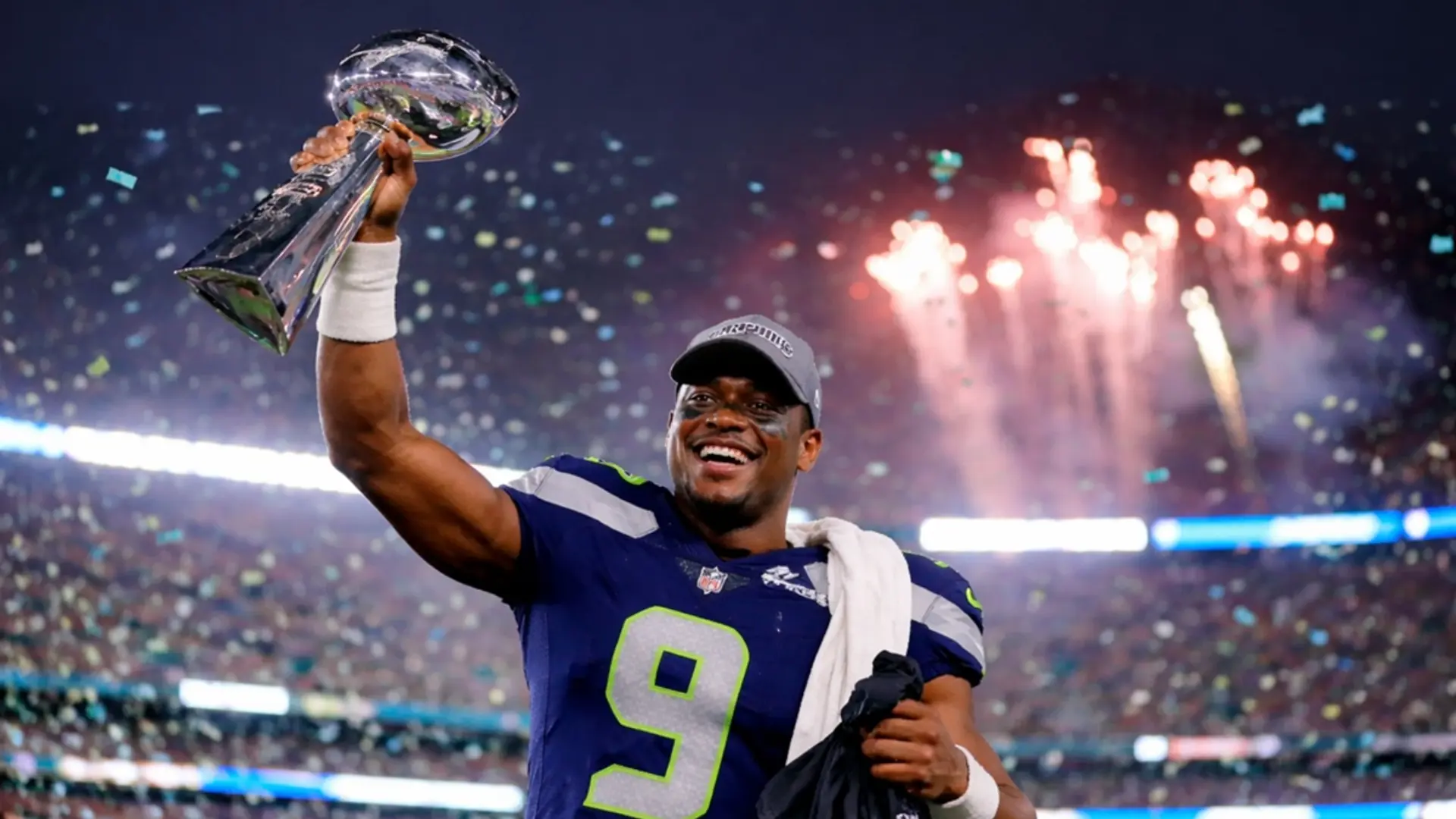
🏆 Seahawks 29-13 Patriots: Super Bowl LX Wrap
The Super Bowl LX final score of 29–13 between the Seattle Seahawks and the New England Patriots was more than a simple tally — it represented one of the most dominant defensive performances in Super Bowl history and a dramatic narrative arc that reflected the strengths and weaknesses of both teams throughout the season.
From the first whistle, this game felt different from the outset. Seattle’s defense, orchestrated by head coach Mike Macdonald, was relentless; New England’s offense, led by Drake Maye, struggled to find consistent traction. By halftime, the Seahawks had built a lead that would hold firm through the fourth quarter.
This extensive analysis explores the final score, the key moments that defined it, how both teams performed, and what this outcome might mean for the future of their respective franchises.
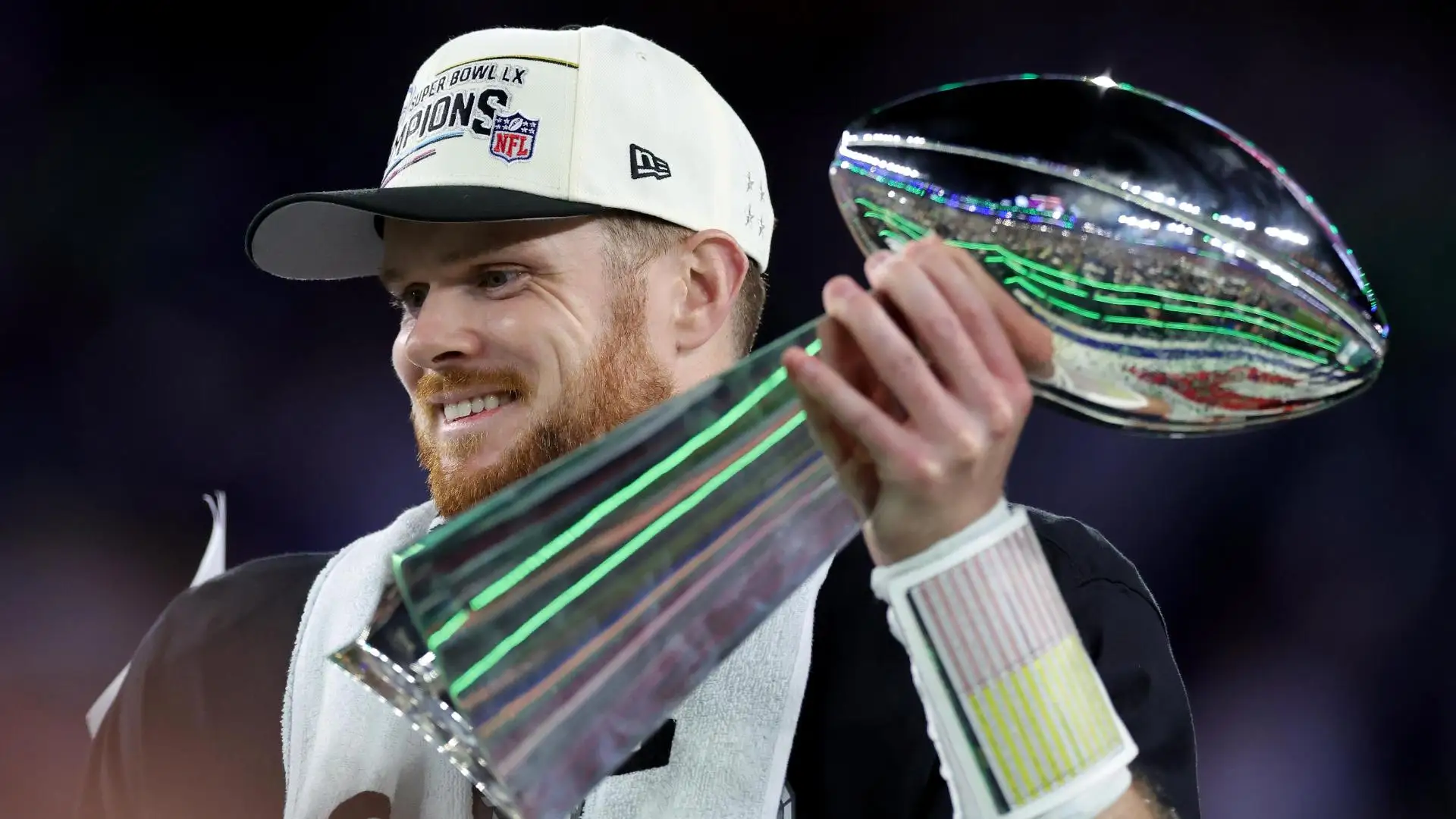
Final Score: 29–13 — A Closer Look
The scoreboard might not reflect the full magnitude of the Seahawks’ dominance, but the way Seattle built that lead did. At 29 points, they managed to surpass the Patriots by 16, a margin that only widened as the game progressed.
The Patriots’ 13 points came in fits and starts. Their offense was stifled for most of the game, plagued by pressure, sacks, and mistakes that compounded into an inability to sustain drives. By contrast, Seattle methodically controlled the tempo of the contest with disciplined defensive looks and effective, if not outstanding, offensive execution.
When considering Super Bowl history, a differential of 16 points often signals a comprehensive performance. But this game was even more lopsided in substance than it appears on paper, with Seattle controlling field position, limiting big plays, and forcing New England into untenable situations throughout.
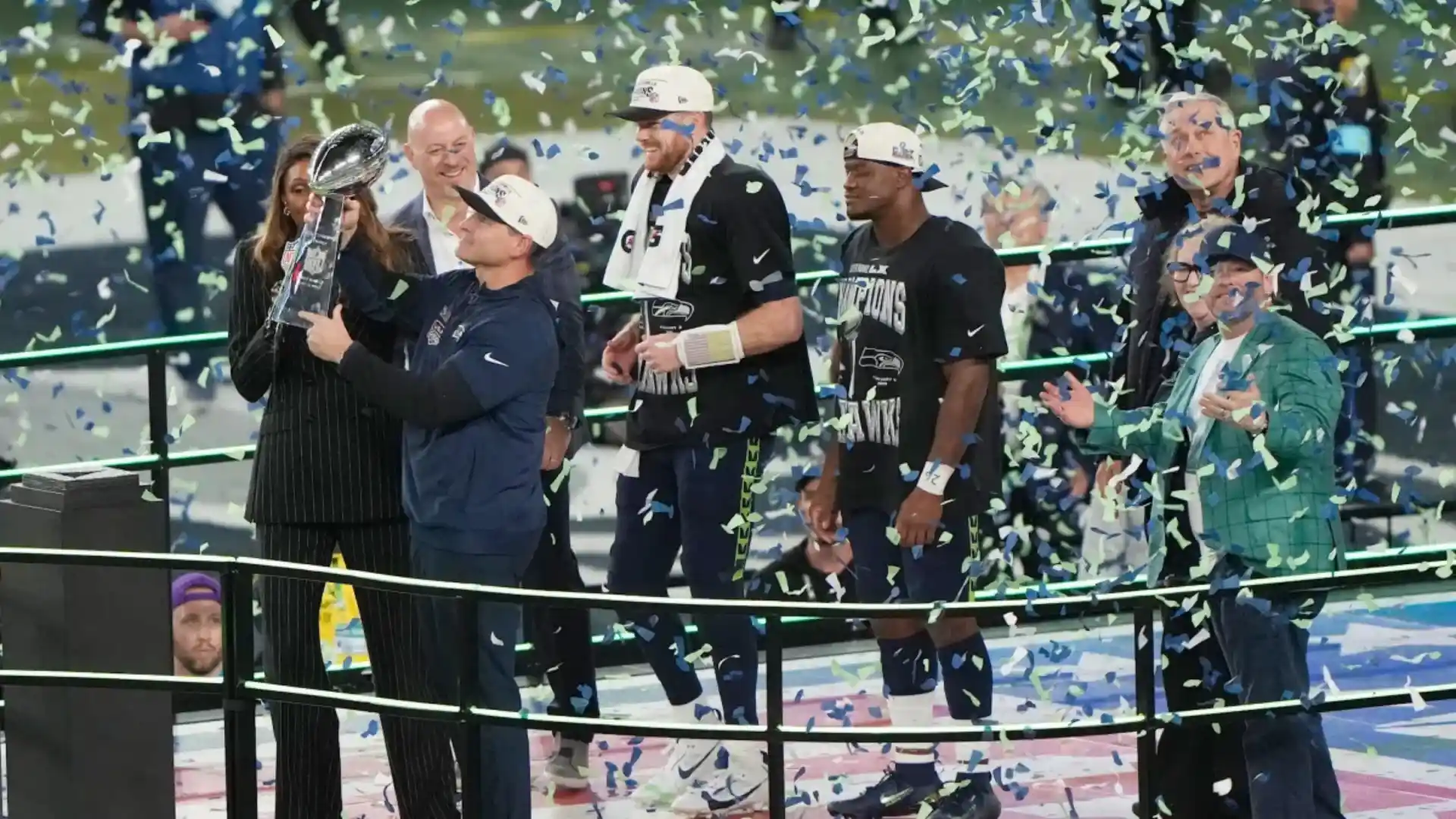
How the Seahawks Built It
Seattle’s path to 29 points was not built on explosive offense alone; rather, it was driven by an oppressive defense and opportunistic scoring when chances appeared.
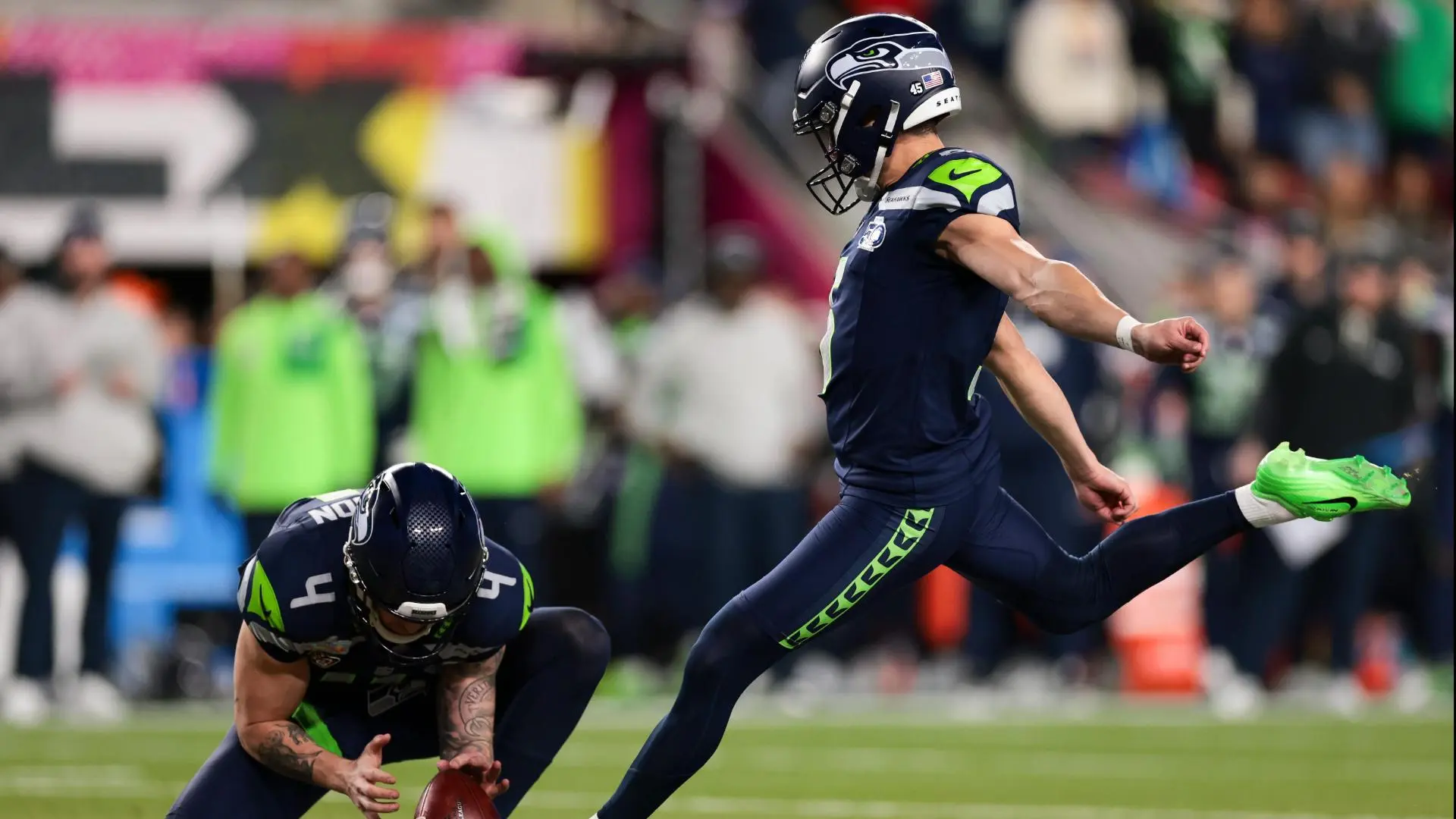
- Early Field Goals and Defensive Stands: The Seahawks opened the game controlling field position and pushing drives into scoring range. While the offense did not explode early, they managed to grind out consistent production that yielded multiple field goals and modest gains that kept momentum on their side.
- First Touchdown of the Game: A 16-yard touchdown pass from Sam Darnold to A.J. Barner in the fourth quarter broke the stalemate. Though not flashy, it was significant — a moment that finally separated the scorelines and put Seattle in a secure lead.
- Defense Creates Opportunities: The Seahawks defense forced multiple turnovers, including an interception returned for a touchdown by Uchenna Nwosu. Defensive scoring in the Super Bowl has often flipped momentum in past decades; this instance was no different.
That series of plays ensures that the Seahawks’ Super Bowl LX triumph will be remembered not just as a normal victory but as a masterclass in ball control and defensive execution.
Why the Patriots Struggled Offensively
New England entered the Super Bowl with a hot streak and a roster that had weathered early season struggles to finish strong. However, the Patriots’ offense was unable to adapt to Seattle’s defensive scheme.
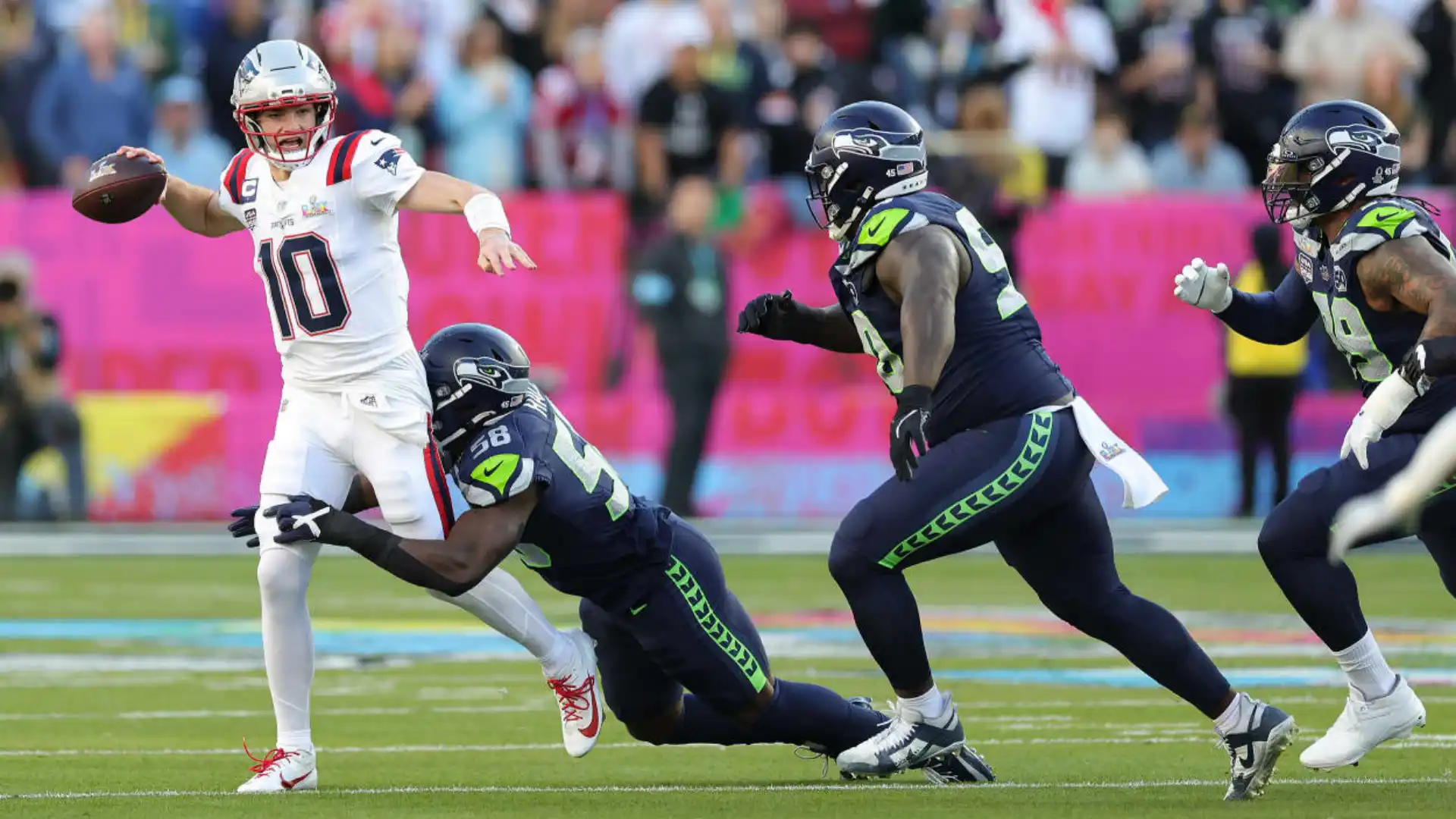
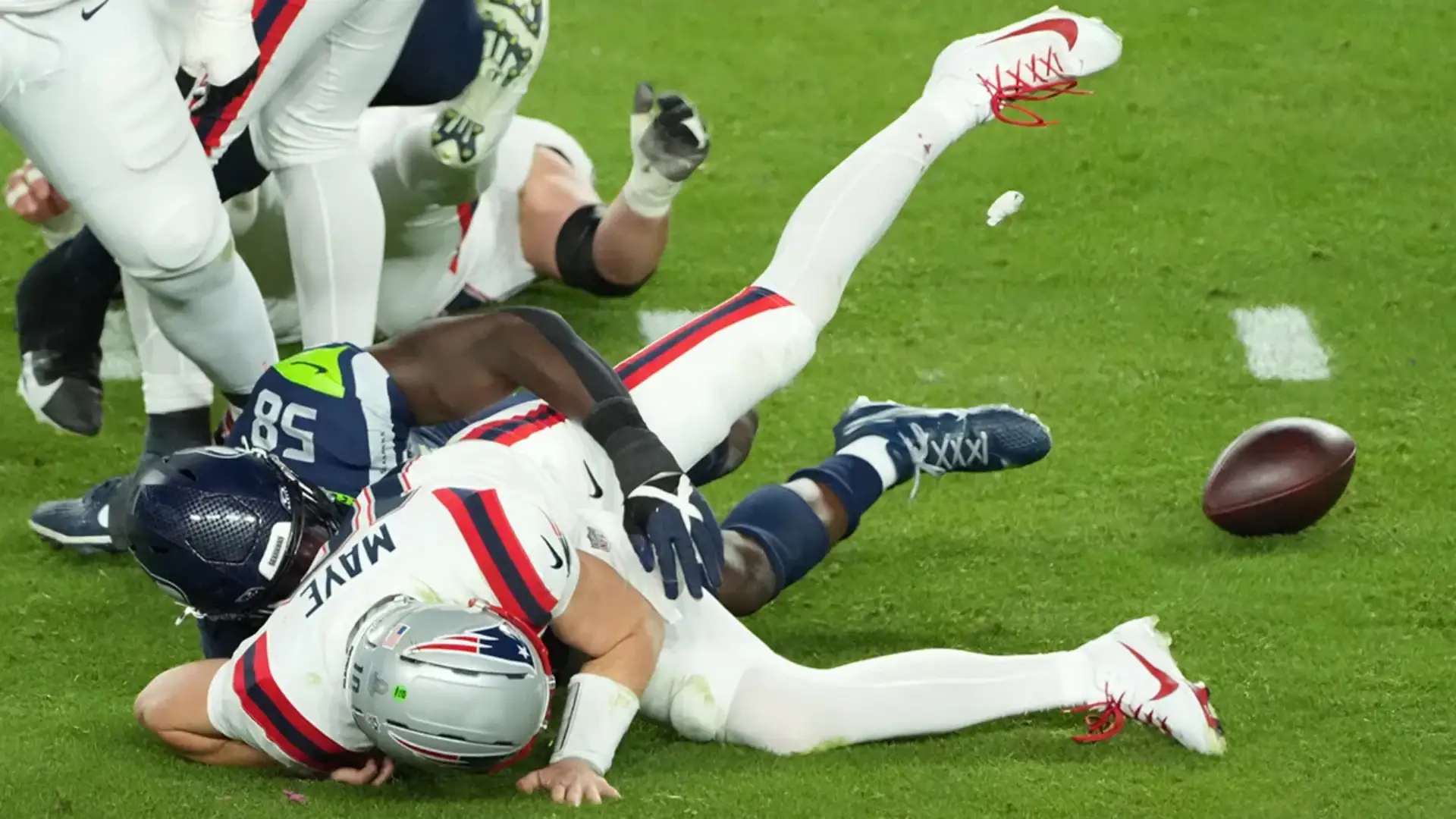
Drake Maye, who had emerged as one of the NFL’s most promising young quarterbacks, faced relentless pressure. Early in the game, coach Mike Vrabel was visibly urging calm, recognizing that his offensive line was being overmatched. Maye’s predicament was nothing new — he had been sacked frequently during the regular season — but the Super Bowl amplified those issues.
By halftime, Maye had just 48 passing yards, a reflection of how stifling Seattle’s defensive strategy was. Although he finished with two passing touchdowns and 295 yards, the bulk of that production came after the Seahawks had built an insurmountable lead.
This was not just a matter of poor fortune; it was a case of strategic dominance. Seattle disguised pressure, brought blitzes from unexpected angles — including those employing All-Pro corner Devon Witherspoon — and forced the Patriots into a rhythm that New England could never find.
Two interceptions late in the game sealed the Patriots’ offensive woes and diminished even the late scoring attempts, leaving the final score feeling more definitive than a mere “29–13” might suggest.
Defensive Brilliance: Seattle’s Hallmark
Seattle’s defensive performance can only be described as historic. Unlike their offense, which did not need to score a high volume of points, the defense consistently broke New England’s rhythm and forced mistakes. This was reminiscent of the Seahawks’ first Super Bowl win, where defensive dominance under the “Legion of Boom” unit set the tone.
Seattle limited the Patriots to 331 total yards — a figure that includes yardage compiled late in the fourth quarter when the game was already decided. At times, New England struggled just to move the chains. A sequence in the first half saw the Patriots sputter for extended periods, with four drives ending without positive yardage before halftime.
Macdonald’s decision to use varied blitz packages disrupted Maye’s timing and prevented New England’s pass protection from settling into a groove. Even when Seattle’s offense was not explosive, the defense ensured that the Patriots could not capitalize.
Statistical Breakdown
Individual and team statistics from the Super Bowl tell a story that aligns with what fans witnessed on the field:
- Drake Maye (Patriots): 27–of–43, 295 yards, 2 TDs, 2 INTs; limited early production and pressure-induced errors.
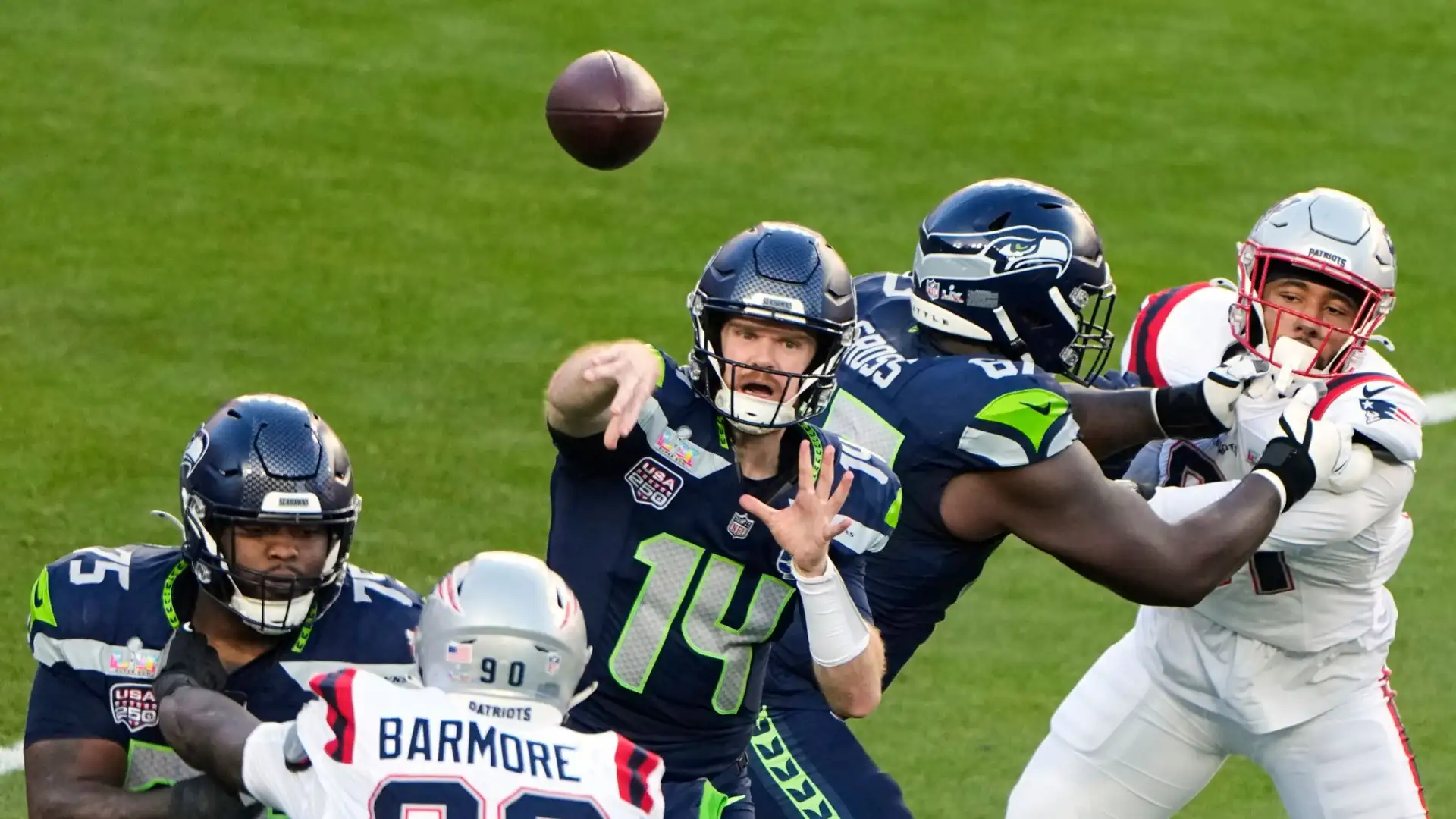
- Sam Darnold (Seahawks): Managed game effectively, avoided major mistakes, and contributed to scoring drives.
- Seattle Defense: Multiple sacks, turnovers forced, and a defensive touchdown. Consistently applied pressure and broke up New England drives.
- Time of Possession: Seattle controlled the clock for key stretches, allowing their defense to rest and New England’s offense to struggle rhythmically.
These statistics underscore the way Seattle’s balanced approach — stifling defense paired with efficient offense — overcame what was, statistically, one of New England’s best seasons.
Historic Implications of the Score
A Super Bowl victory by eight points or more is not uncommon, but a game in which one team dominates nearly every aspect of play is memorable. Most Super Bowls feature at least one high-scoring offense or dramatic comeback attempt. This game did not.
Instead, Seattle’s 29–13 victory aligns with some of the more purposeful defensive triumphs in NFL history — where methodical control and pressure dictate the final outcome. It evokes comparisons to the 2013 Seahawks, whose defense dismantled Peyton Manning’s offensive juggernaut in Super Bowl XLVIII.
For New England, the result may feel like a harsh ending to what was an extraordinary turnaround season (13 more wins than the previous year). For Seattle, it cements another chapter in franchise lore, demonstrating that defense — even in an era dominated by high-tempo offense — can still determine championships.
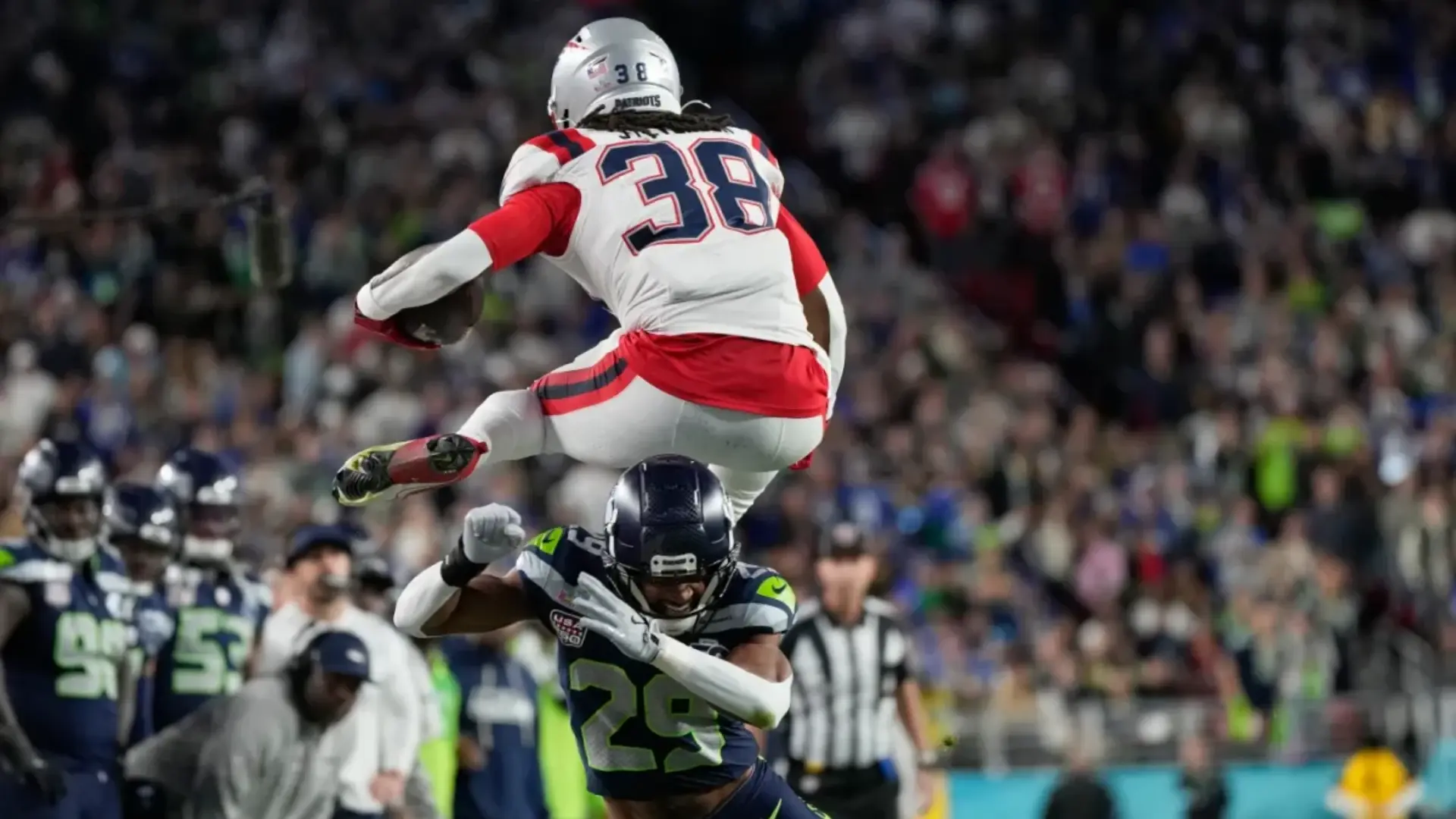
Postgame Reactions and What It Means for Both Teams
After the game, Patriots head coach Mike Vrabel was honest about the disappointment but remained optimistic about the future. He characterized this defeat as a learning experience, emphasizing the long season and growth of his young quarterback.
Maye, visibly emotional after the game, echoed that sentiment. He acknowledged the pain of the loss while expressing belief in the team’s trajectory and his own development. For a quarterback dealing with both physical injury and the pressures of the biggest stage of his career, this Super Bowl performance will likely be a defining moment.
For the Seahawks, the win underscores the value of defensive discipline and strategic coaching. Mike Macdonald, often associated with defensive brilliance, now adds a championship to his résumé — a validation of his approach and philosophy in the modern NFL landscape.
Looking Ahead: Offseason and Beyond
Both teams now turn their attention to the offseason. For New England, addressing pass protection and expanding offensive weapons will be priorities. The Patriots’ remarkable turnaround this season — fueled by coaching, player development, and strategic free-agent acquisitions — still bodes well for future competitiveness.
Meanwhile, Seattle will look to retain its defensive core and build on a formula that proved effective against some of the league’s best offenses. Their Super Bowl score was not flashy, but it was efficient, and it serves as a blueprint for success in an increasingly offense-oriented league.
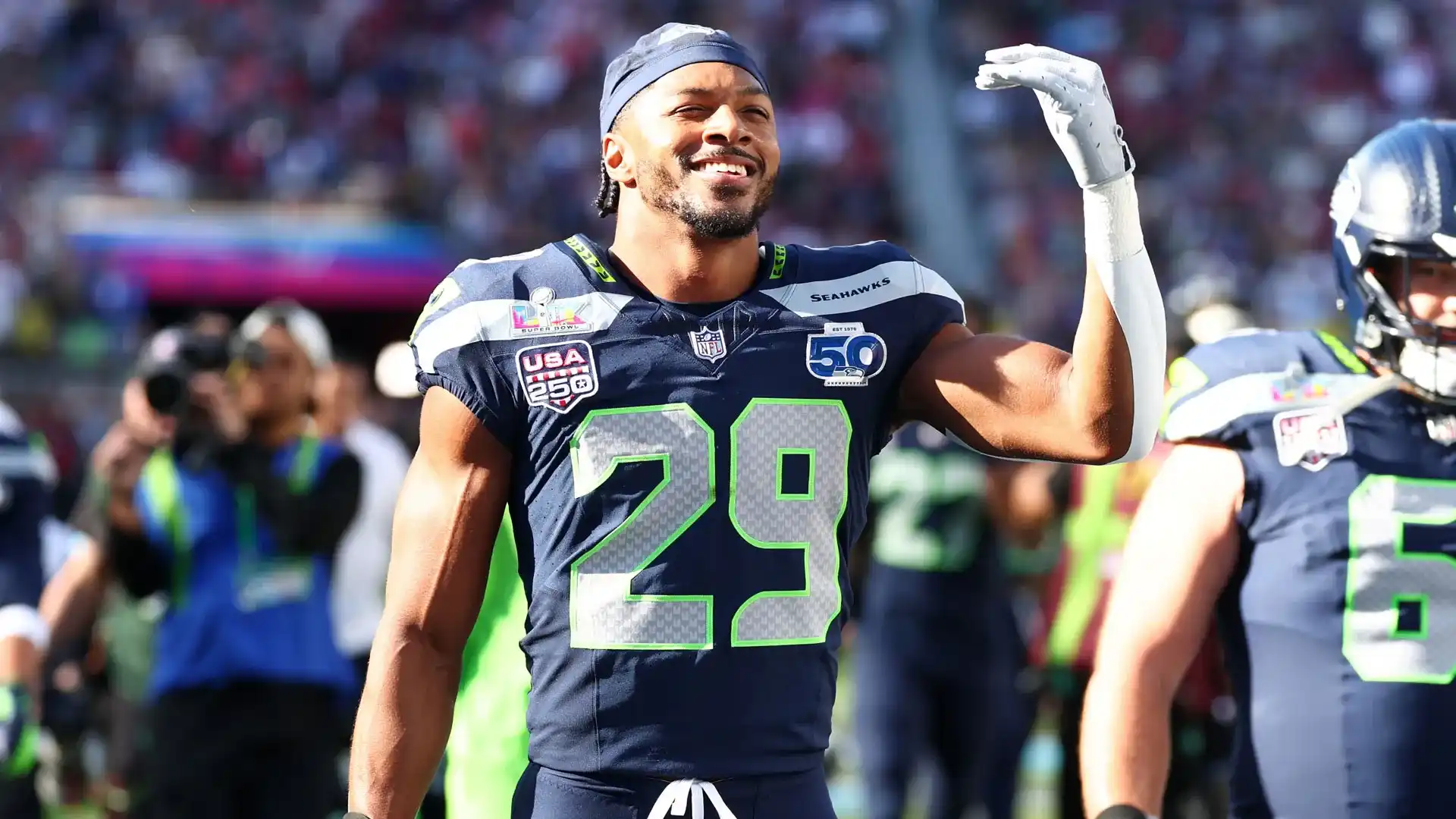
Conclusion: Why the Super Bowl LX Score Matters
The final score of 29–13 in Super Bowl LX tells the story of a game where strategic defense, timely execution, and mental toughness dictated the outcome. While New England’s offense struggled against a relentless Seattle defensive front, the Seahawks executed with consistency and composure.
For fans of the NFL, this Super Bowl score will be remembered not just as a number, but as a reflection of a pivotal game that showcased how defense, preparation, and intangible leadership can still capture football’s biggest prize.