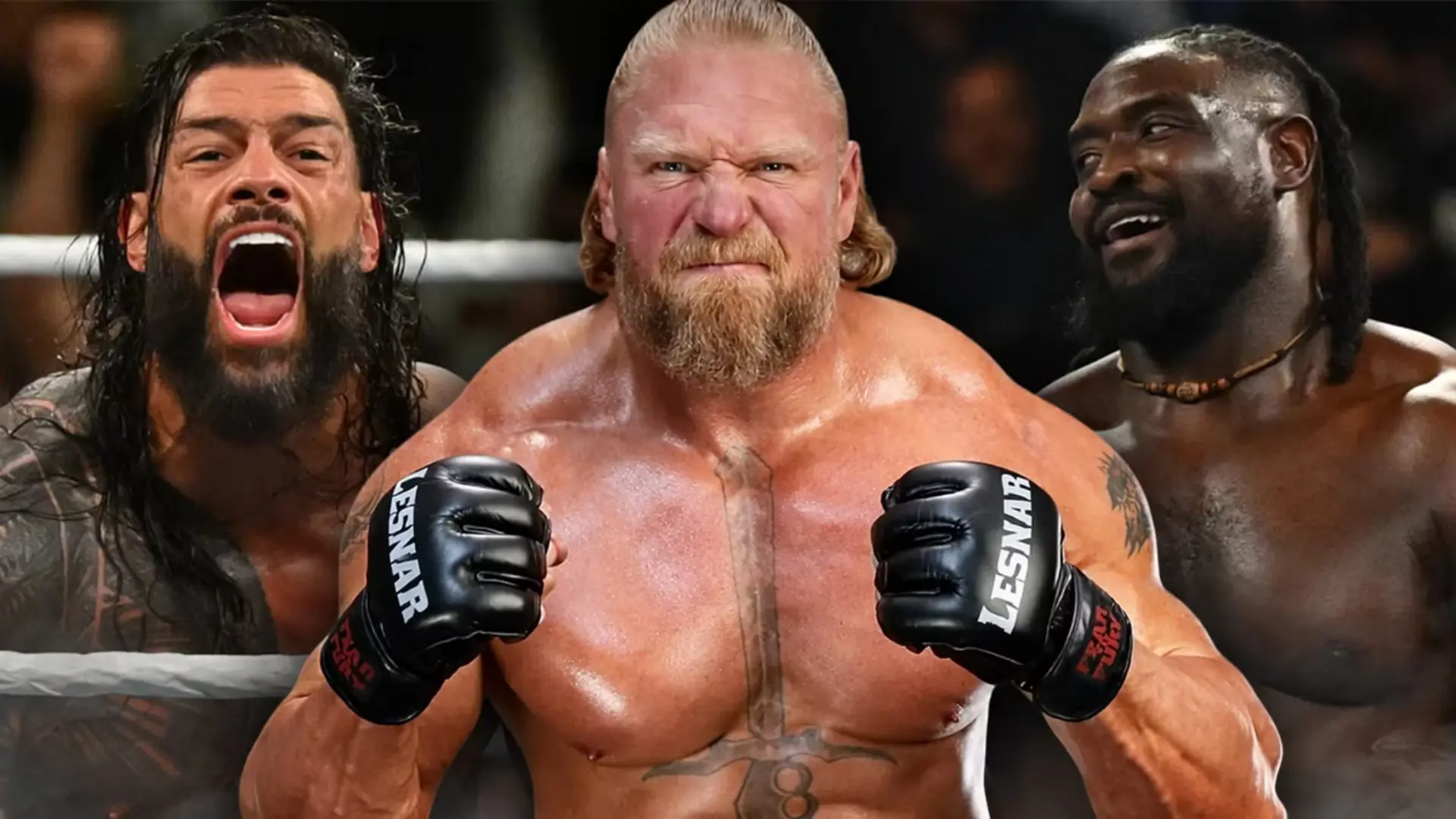
Brock Lesnar Retires at WrestleMania 42, Era Ends
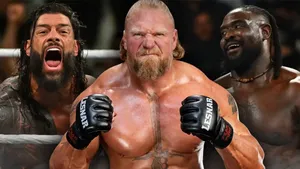
On the night of April 19, 2026, Brock Lesnar walked out of Allegiant Stadium in Las Vegas for the last time.
The result of his WrestleMania 42 match was clear almost as soon as it ended: Oba Femi, the rising force from WWE's NXT development brand, had beaten "The Beast Incarnate." One Fall from Grace. One pin. Decision made.
But the outcome of the match was almost beside the point. What the wrestling world witnessed that night was not a contest—it was a ceremony. And the ceremony was retirement.
This article breaks down what happened inside the ring, what Lesnar's post-match actions signaled, what his career added up to, and what his exit means for WWE's next chapter.
The Match: Oba Femi vs. Brock Lesnar at WrestleMania 42
Result: Oba Femi defeated Brock Lesnar via pinfall
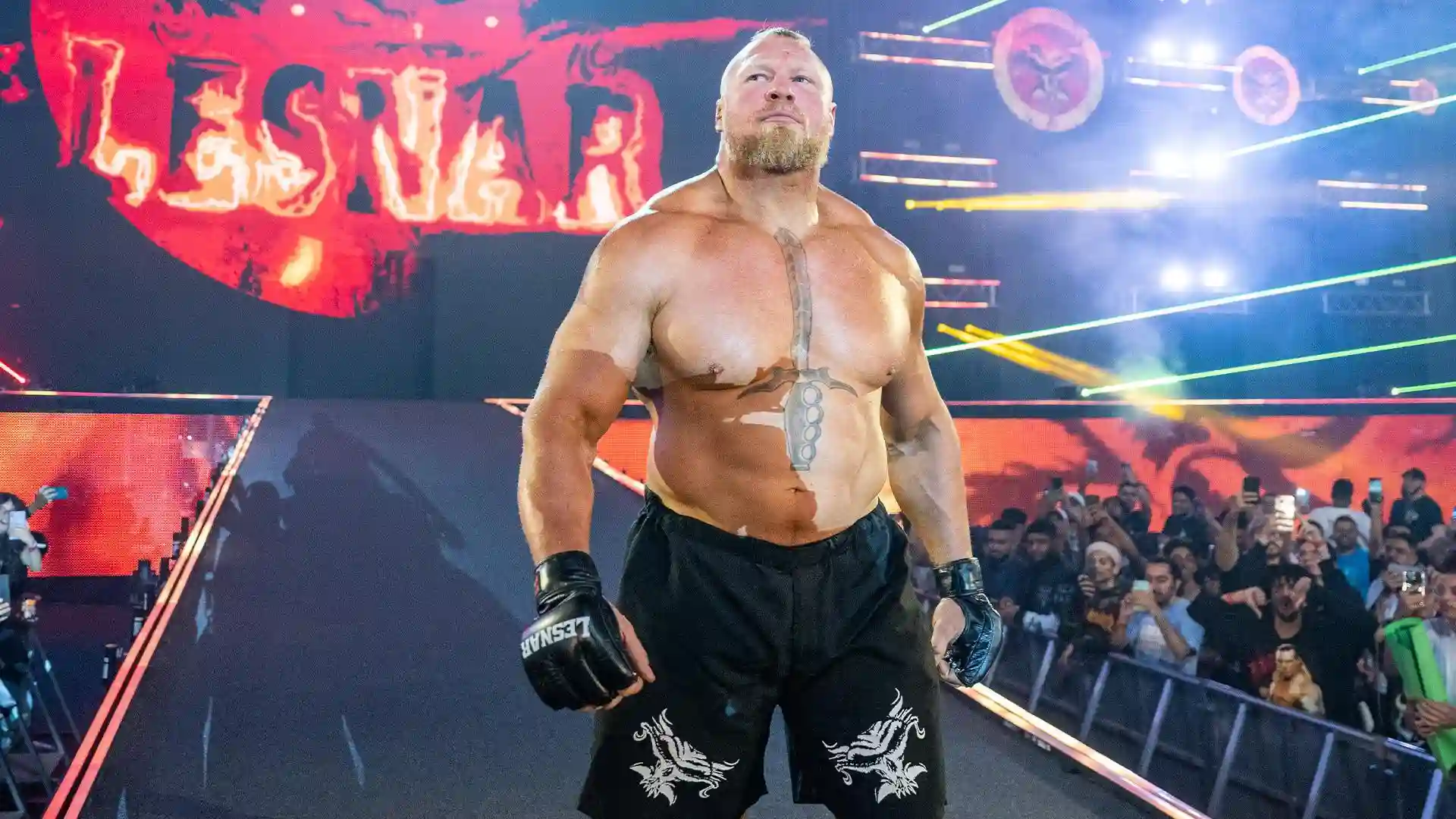
The match opened Night 2 of WrestleMania 42, held at Allegiant Stadium in Las Vegas, Nevada—a fitting stage for a passing of the torch in front of tens of thousands in attendance and a global broadcast audience across ESPN, Netflix, Peacock, and other networks.
The contest was brief by WrestleMania standards: approximately five minutes and fourteen seconds, per WWE official match records. It was designed not as a competitive showcase but as a statement.
Early on, Lesnar did what Lesnar does. He threw punches. He drove Femi into the corner with force. He threw his weight around in the way only a 286-pound former NCAA Division I champion and former UFC Heavyweight champion can.
But Femi didn't move the way a man facing The Beast should.
He stood there. He looked at Lesnar. He told Lesnar—live, on the grandest stage in professional wrestling—to bring it. There was no selling. There was no hesitation. There was only a young man announcing, in the most direct way possible, that he was not afraid.
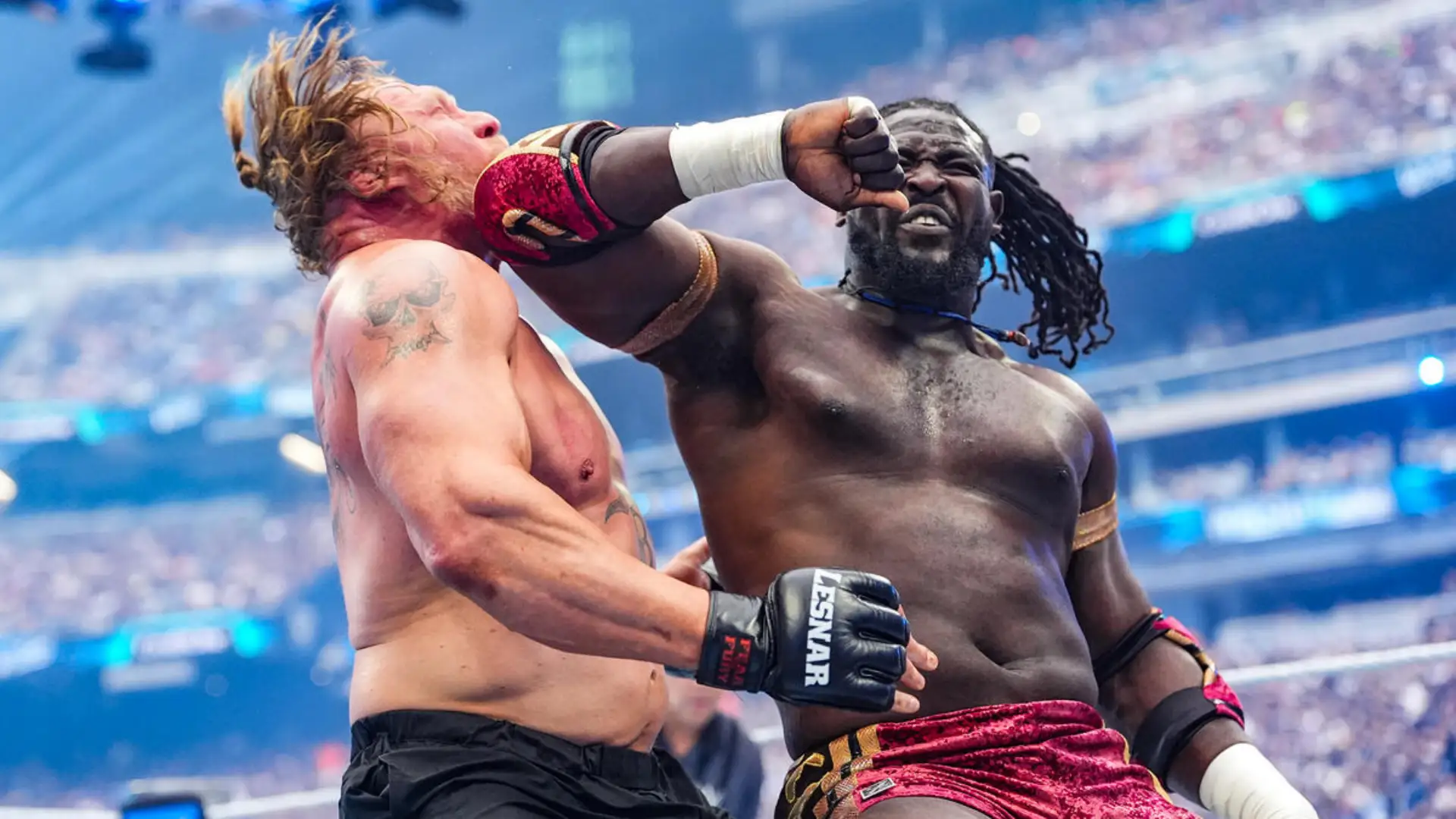
The critical sequence came shortly after. Lesnar lifted Femi, spun him, drove him into the mat with his signature F-5—a powerbomb so devastating it has ended countless careers inside WWE storylines.
Femi kicked out.
Femi rose. He seized Lesnar. He lifted him. He slammed him into the canvas with a Chokeslam that echoed through the stadium. Then, before Lesnar had any time to recover, Femi climbed to the top rope and came down with the Fall from Grace—a devastating double-underhook suplex that has become his trademark finisher and a move that has, in 2026, become synonymous with dominance.
One cover. One count. The crowd erupted.
After the Bell: The Retirement Gesture
In professional wrestling, there is no official retirement process. There is no ceremony, no league announcement, no press conference that definitively marks the end. What there is, instead, is tradition.
And Brock Lesnar honored it.
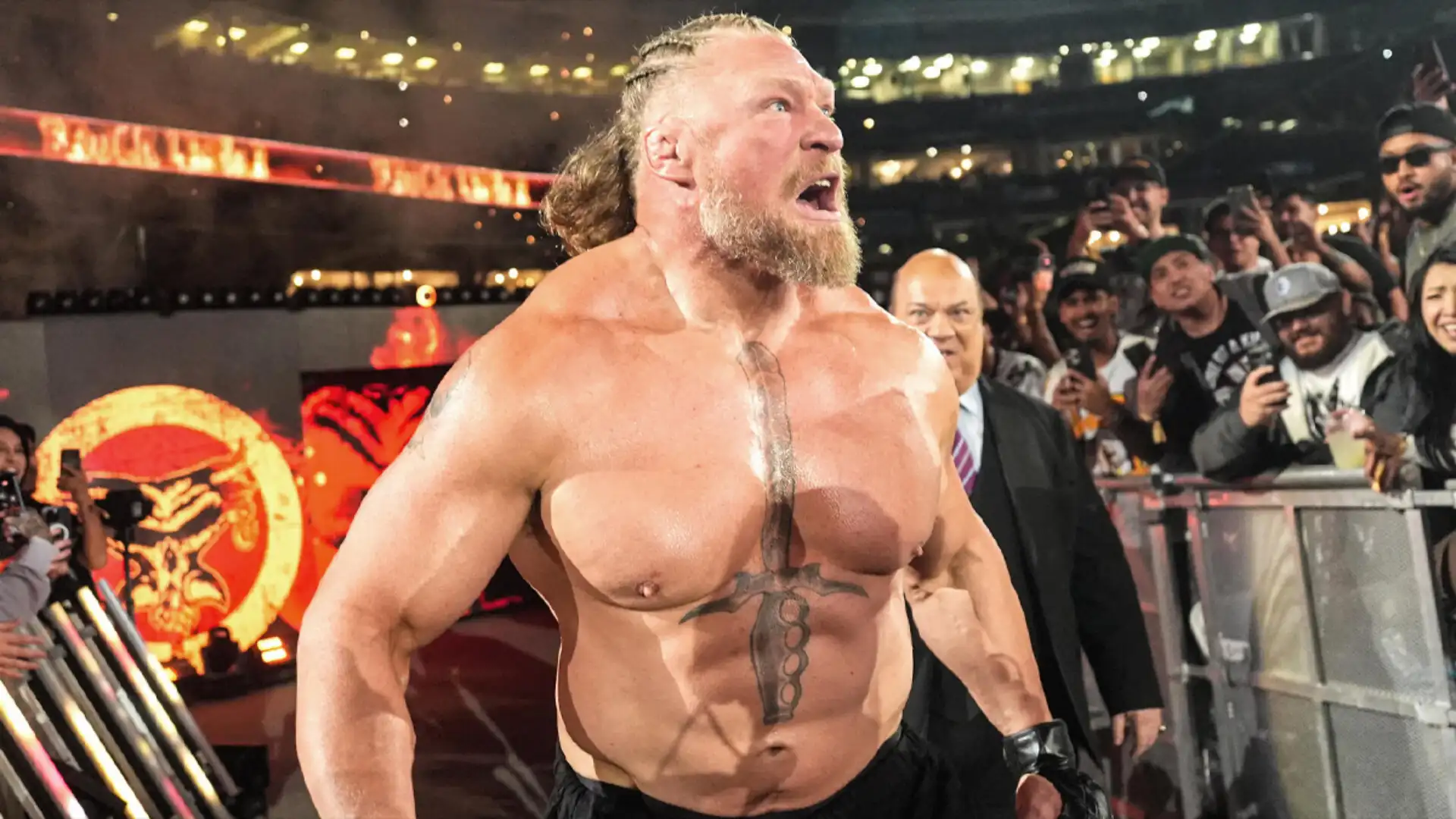
After Femi's hand was raised and the referee signaled the end, Lesnar remained in the ring alone. Femi walked up the ramp. Paul Heyman—Lesnar's longtime advocate, mouthpiece, and the closest thing he has had to a permanent companion in WWE storylines for nearly two decades—stepped through the ropes.
Lesnar removed his gloves. He untied his boots. He placed both items in the center of the ring—in professional wrestling, a universal signal that a performer is done. No words. No speech. No address to the crowd. Just the boots and gloves, sitting where he left them.
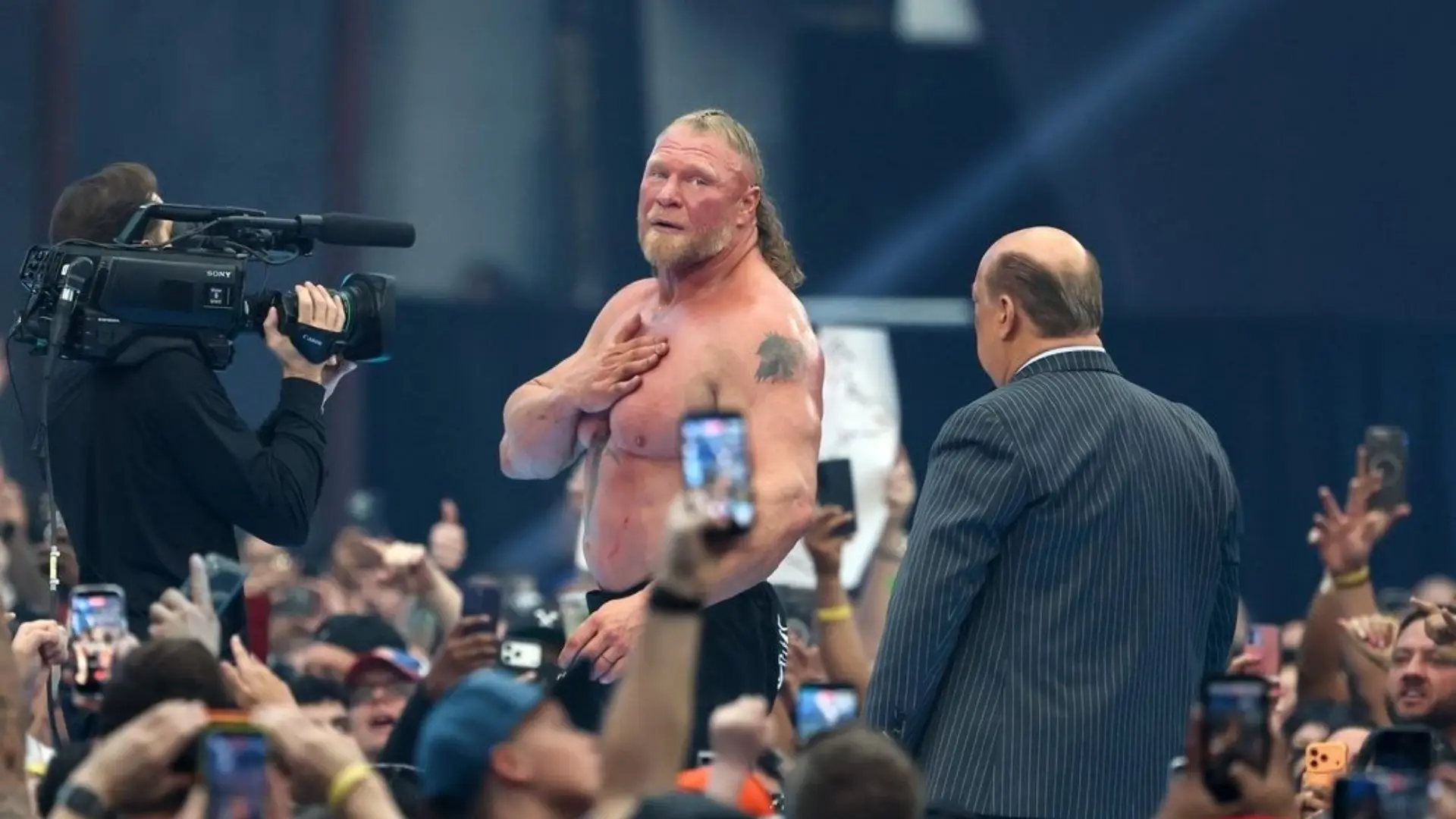
He embraced Heyman. The two held each other for a long moment. Reports from the arena, corroborated by multiple outlets including USA TODAY, Hypebeast, and Cageside Seats, describe Lesnar as visibly emotional—tears streaming, in a departure from the stoic image he has maintained throughout his career.
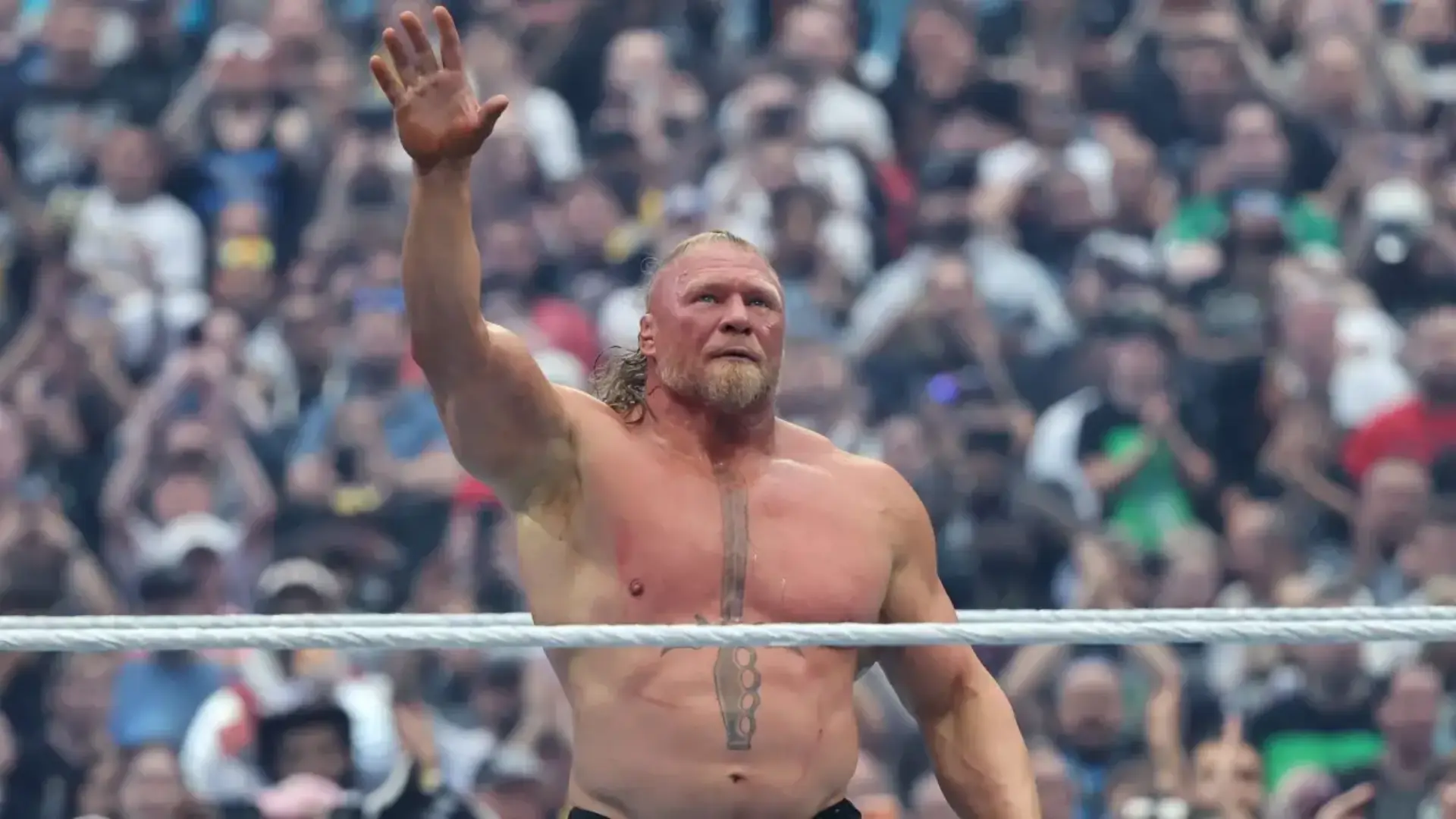
The crowd realized what was happening in real time. They stood. They applauded. They chanted "Thank you, Brock." Lesnar walked to the ring apron, raised both arms, and acknowledged the reaction—another rare gesture from a man who has built an entire career on barely acknowledging crowds at all.
He shook hands with fans at ringside. He waved. He left.
On the following night's episode of Monday Night Raw, Heyman addressed the situation and effectively confirmed what the gesture had implied: Lesnar was done.
The Career: What Brock Lesnar Actually Did
Brock Lesnar's professional wrestling career did not follow a normal arc. It didn't even follow a normal career arc for someone who competed in two of the world's most demanding combat sports.
To understand what left Las Vegas on April 19, it helps to look at the numbers.
WWE Accomplishments:
- 10-time WWE Champion
- 2022 and 2003 Royal Rumble winner
- 2002 King of the Ring winner
- 2019 Money in the Bank winner (Men's)
- Ended The Undertaker's 21-0 WrestleMania streak at WrestleMania 30 in New Orleans in 2014
UFC/MMA Record:
- 5-3 professional MMA record (1 NC)
- UFC Heavyweight Champion, won at UFC 91 in 2008 by defeating Randy Couture
- One of the fastest rises to UFC heavyweight title contention in the sport's history
Amateur Wrestling:
- NCAA Division I All-American at the University of Minnesota
- National champion in his senior year
What those numbers don't capture is the way Lesnar changed what a WWE performer could look like. He arrived in 2002 as a 25-year-old who had never wrestled a professional match. He was not a trained wrestler, not a second-generation star, not someone who had worked his way up through the indie circuit. He was a Minnesota farm kid who had beaten people in a cage for money and who brought that unreconstructed physical violence into a world that had mostly traded in choreographed theater.
He was immediately believable in a way that most performers spend years cultivating. He broke the ring. He genuinely hurt people (including, famously, himself, when he destroyed the wrestling ring's canvas and buckles during his debut). WWE did not know what to do with him at first.
They figured it out. By the time he left in 2004, he was already a star. When he returned in 2012, he became a phenomenon. The booking of Lesnar vs. The Undertaker at WrestleMania 30—where Lesnar ended the Deadman's unbeaten WrestleMania streak—was controversial when it happened. Looking back at it now, with Lesnar gone, it reads differently. It reads like one legendary run blessing another.
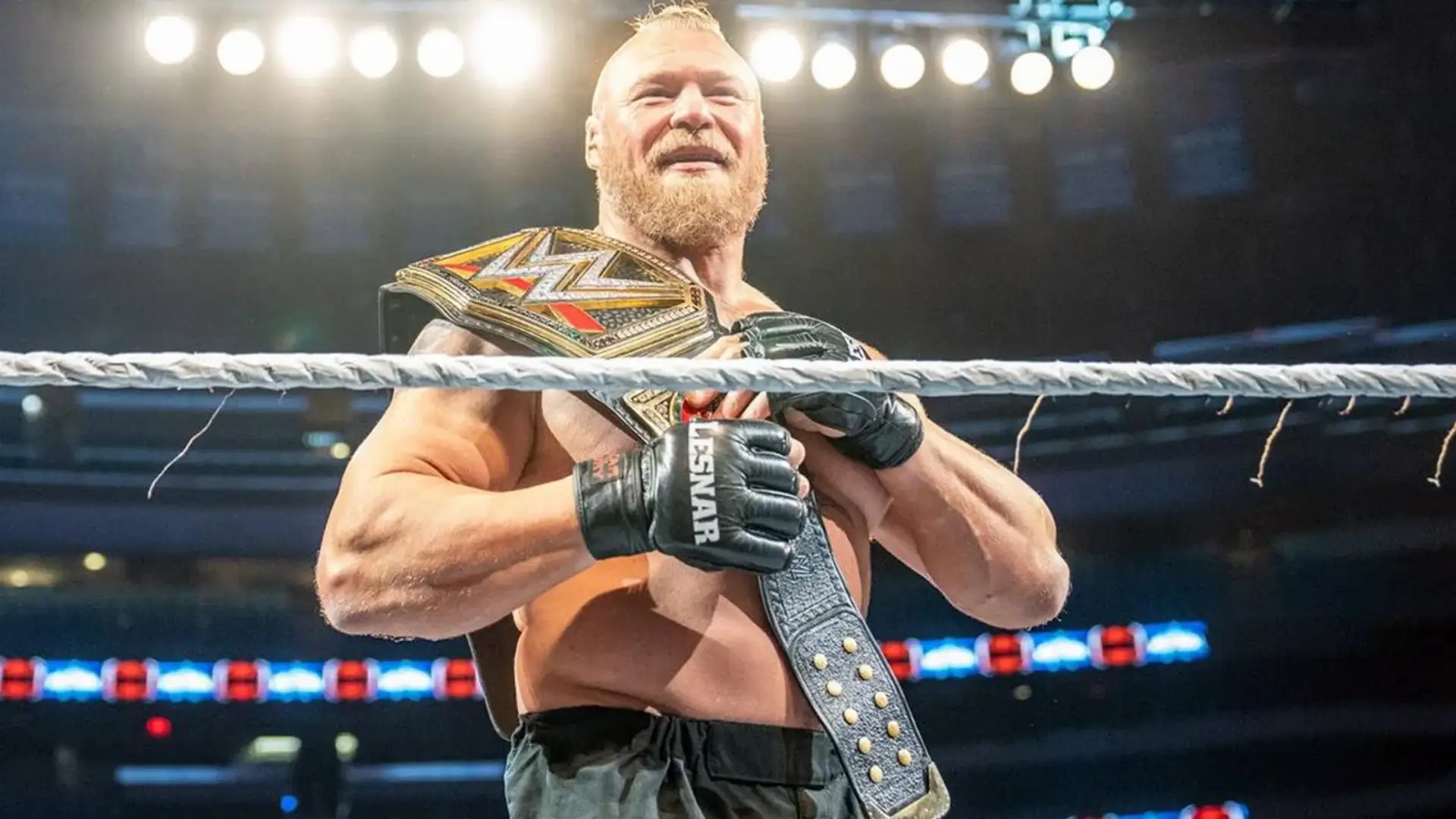
The Handoff: What Oba Femi's Win Means
WWE has been building Oba Femi for approximately two years before WrestleMania 42. He entered the match as the NXT North American Champion and as the most physically imposing figure in WWE's developmental ecosystem since perhaps Bron Breakker—a comparison the industry has made freely, and which Femi has done nothing to discourage.
The win was not subtle. It was designed to be decisive. One F-5. One kickout. One Fall from Grace. One pin. That is a statement, and it was received as one.
The narrative WWE is constructing is clear: Femi is not just the future. He is the present. He has beaten Brock Lesnar at WrestleMania. He has done so in dominant fashion. The torch has been passed in the most literal sense—because Lesnar left his torch in the ring.
What remains to be seen is whether Femi can sustain that trajectory. The professional wrestling industry has a long history of dominant WrestleMania victories that did not translate into sustained main event careers. The moment is everything. The next two years are harder.
What This Means for WWE Going Forward
Lesnar's exit creates a specific and unusual absence in the WWE landscape.
He was, even in 2026, one of the few performers in the company who could be inserted into any program and immediately elevate it. Not because of storytelling craft—he was never particularly interested in promos, in character work, in the sustained narrative elements that drive modern WWE programming—but because of pure physical presence. When Lesnar walked to the ring, the ring changed. The lights seemed to dim. Everything else on the card felt more important by proximity.
That is a rare quality. It cannot be manufactured. It can only be inherited, and whoever inherits it in WWE's next generation will do so in the context that Lesnar created.
The other practical consideration is international. Lesnar remained one of WWE's most recognizable draw names in markets outside the United States. His name carried weight in regions where his UFC career, his WWE championship reigns, and his reputation for genuine toughness had created a figure that transcended normal wrestling fandom. That draw is gone now.
The Bottom Line
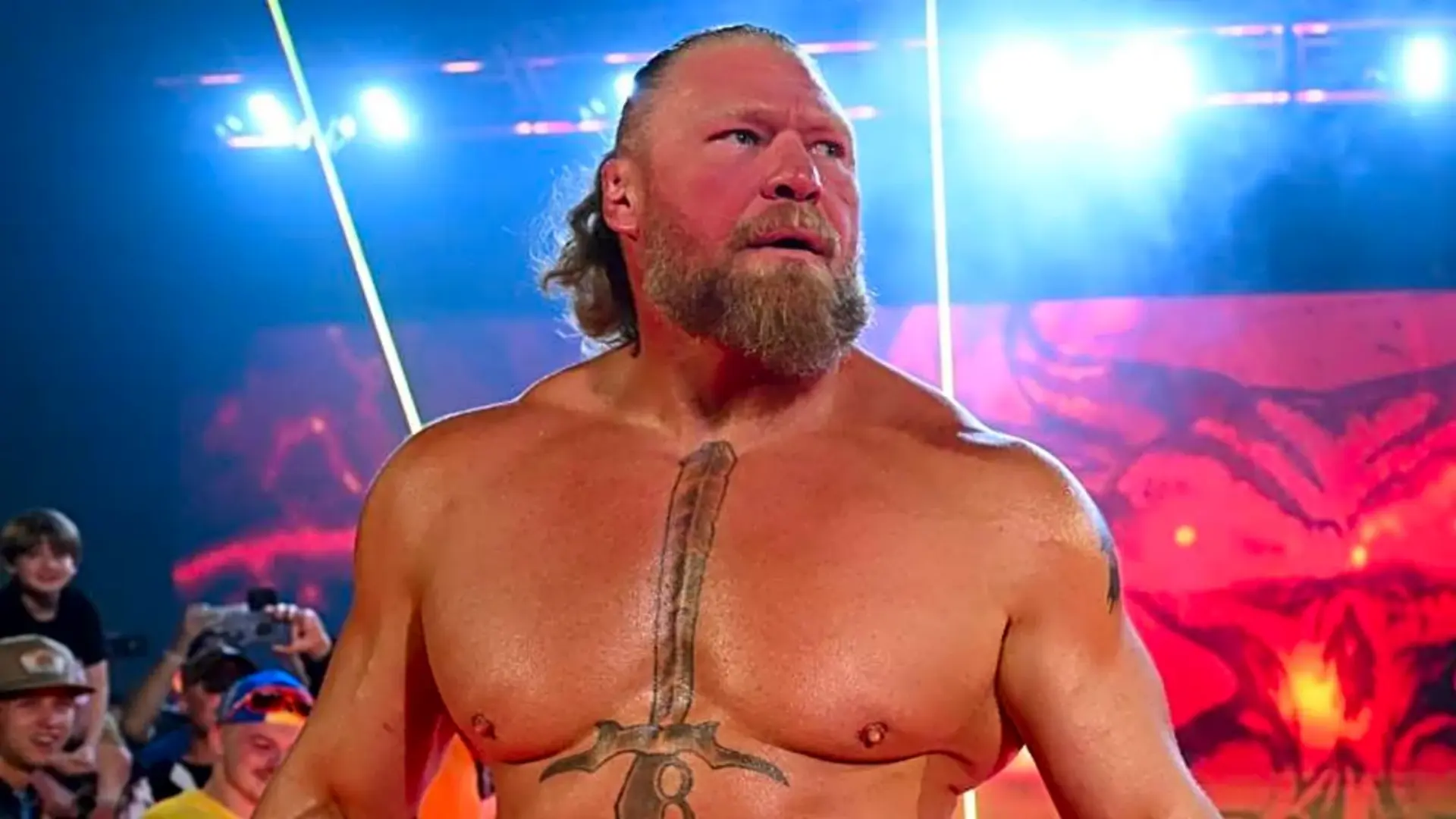
Brock Lesnar did not issue a retirement statement. He left his gloves in the ring. He took his boots off, placed them next to those gloves, and walked away.
In a business built on exaggeration, hyperbole, and the perpetual suggestion that nothing is ever truly over, that gesture carried more weight than any press release could. The silence was the announcement.
He lost at WrestleMania 42. Oba Femi beat him clean, on the biggest stage, with the most decisive finish WWE could script. And the man who has spent most of his adult life refusing to lose in any meaningful way left the building without looking back.
Sources: WWE Official Match Records (wwe.com, updated April 2026); USA TODAY, "Brock Lesnar retirement? WWE stars hints end at WrestleMania 42" by Jordan Mendoza (April 19-20, 2026); Hypebeast, "WWE Brock Lesnar Retires at WrestleMania 42" by Joyce Li (April 2026); Cageside Seats (SB Nation), "WrestleMania 42 results: Oba Femi dominates Brock Lesnar" by Geno Mrosko (April 20, 2026); WWE.com Superstar Profile, Brock Lesnar (updated April 8, 2026); UFCStats.com, fighter record details.